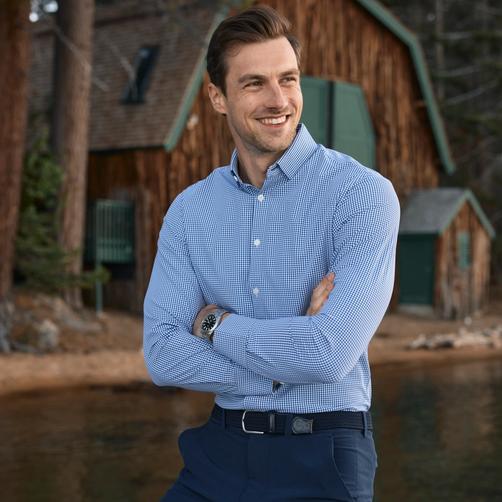
The Interview Dress Code: What to Wear to Win Your Next Job

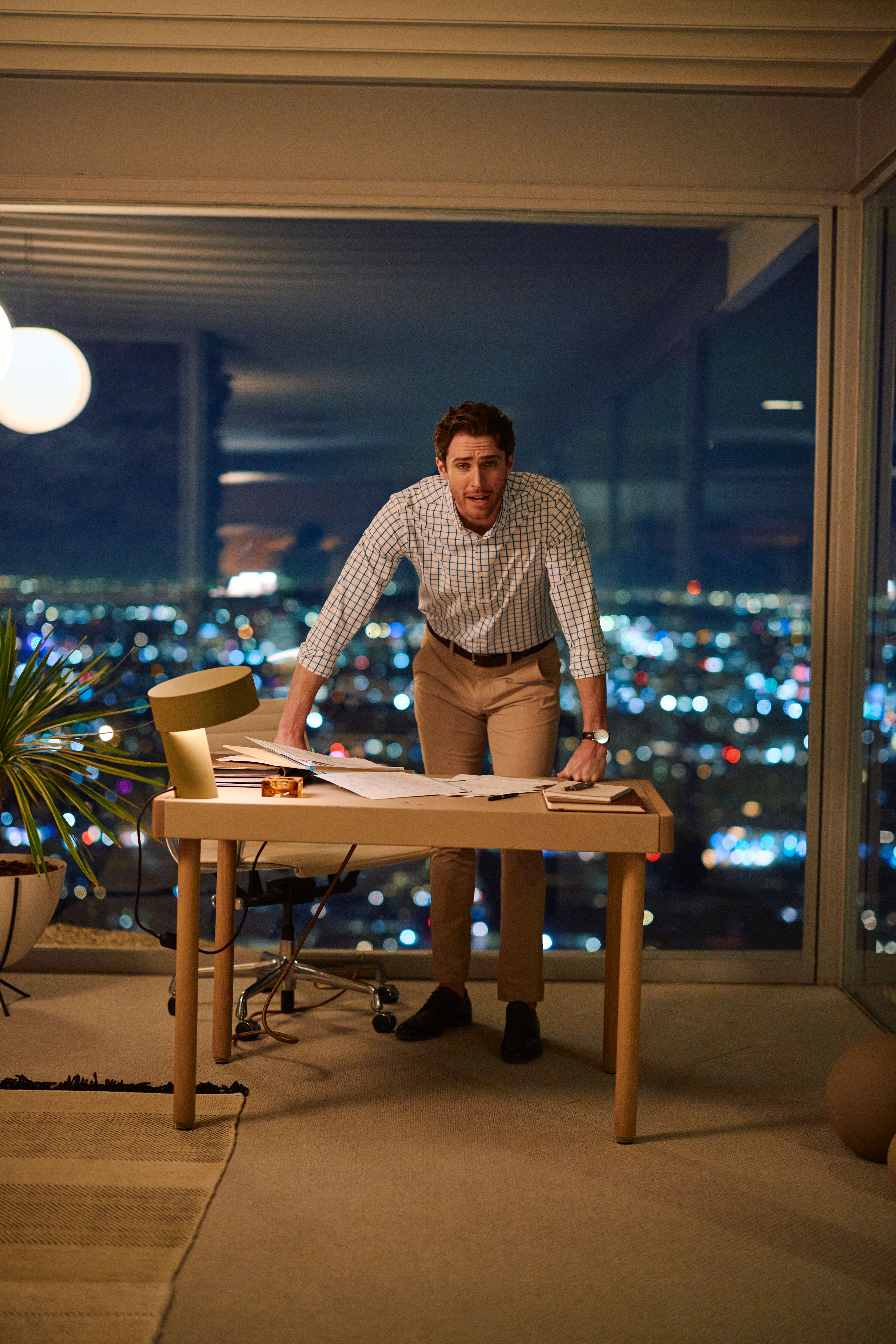
Interviews are already stressful enough. The last thing you want to second-guess is your outfit. What you wear won’t land you the job on its own, but it can set the tone before you even shake hands.
The right interview dress starts with understanding the interview dress code. Wear something clean, tailored, and appropriate for the company culture. When in doubt, go one step more formal than the everyday office look. Fit matters more than brand. Wrinkles are never okay.
At Mizzen+Main, we build clothes that help you feel confident, comfortable, and ready, whether you’re walking into a high-rise boardroom or a casual coffee shop interview. Read this guide for more tips.
Dressing for an interview: The safe formula that works
When dressing for an interview, keep it straightforward. Your interview outfit should feel intentional but relaxed.
For most roles, this formula works:
- A well-fitted dress shirt
- A blazer or suit jacket
- Tailored trousers or dress pants
- Leather shoes with a matching belt
This combination respects the dress code without overdoing it. It works for a law firm, a traditional corporate office, or a more modern boardroom.
Also, fabric matters more than most people realize. Traditional cotton can crease easily during a commute or a long wait in the lobby. Performance dress shirts, especially non-iron dress shirts designed for movement, help maintain structure and polish throughout the day.
How to match your interview outfit to the company culture
The right outfit depends on the environment you’re walking into. A law firm and a design studio have very different ideas of “business attire.” That’s why doing a little research pays off.
Start with research. Review team photos on the company website or LinkedIn. See what people are wearing in meetings or at events. You can also ask the recruiter or hiring manager directly; most will gladly point you in the right direction.
If the signal is mixed, understate nothing. Lean slightly more formal. First impressions are formed before you sit down across from the interviewer. Here are some dressing tips depending on the attire:
Corporate or finance
For a traditional corporate setting, keep it structured:
- Dark suit in navy or charcoal
- White or blue dress shirt for an interview
- Conservative tie with a clean knot
- Leather shoes and a matching belt
An oxford dress shirt with a point collar is a safe choice. Add collar stays to keep the collar sitting neatly under your jacket. Non-iron dress shirts can help maintain polish through a long day.
Socks should match your trousers, not distract from them. Every accessory should feel intentional, not loud.
Professional business casual
If the environment leans business casual, adjust without losing structure.
- Blazer
- Dress shirt or Oxford button-down
- Tailored slacks or chinos
- Leather loafers or lace-ups
Here, a tie is optional. The goal is polish without stiffness. Make sure the shirt fits cleanly through the shoulder and waist. Keep everything pressed neatly.
Creative or tech
Creative offices often appear more casual, but dressing still matters.
- Crisp button-down or structured shirt
- Tailored chinos or dark 5-pockets
- Leather sneakers or loafers
Avoid oversized logos, bold patterns, or statement accessories. The interviewer should focus on your answers, not your outfit.
When in doubt, choose simplicity. A well-fitted dress shirt, clean lines, and controlled details communicate professionalism without trying too hard.
Dress shirt fit, size, and sleeve length matter
You can buy the best dress shirt in the room, but if the size is wrong, it shows.
Focus on:
- Shoulder seams that align with your natural shoulder
- Sleeve length that ends at the wrist bone, showing a slight cuff under a jacket. If the cuff disappears entirely under your jacket, the proportions are off.
- A collar that fits your neck size comfortably without pulling to keep the shirt looking crisp
- A clean drape through the waist, no pulling at the buttons
A shirt that fits well should feel structured but not tight. If needed, visit a tailor for minor adjustments. A small measurement correction makes a big difference.
And then there’s comfort. The interview itself is enough pressure; your clothes shouldn’t add more. Performance fabrics help keep you cooler, manage moisture, and resist wrinkles so you can focus on the conversation instead of your collar.
Video interview adjustments
Remote interviews change the setting, but not the stakes.
For video:
- Stick to solid colors
- Avoid small print patterns that distort on camera
- Choose structured collars
- Ensure the shirt sits smoothly across the shoulder
Yes, you should still wear full interview attire, not just the top half…
Confidence starts before the handshake
The right interview outfit is one you don’t have to think about once you put it on. It should help you feel comfortable and confident while showing respect for the opportunity.
At Mizzen+Main, we design performance dress shirts, blazers, and chinos that look sharp from the moment you walk in to the moment you walk out, without the wrinkles, sweat, or stiffness that can throw you off your game.
Because when your clothes work with you, you can focus on the conversation that matters most.
Frequently asked questions about interview attire
1. Can I wear jeans to an interview?
Only if the company is very casual, and you pair them with a sharp shirt and clean shoes. Dark denim works best in that case.
2. Should I wear a tie?
If you’re interviewing for a traditional corporate role, yes. For most environments, a tie is optional—focus on a crisp shirt and blazer instead.
3. What’s the best color to wear for an interview?
Navy and charcoal are safe choices. White and light blue shirts work with either.
4. Are polos okay for interviews?
Yes, but only in casual or creative settings. Choose a structured, high-quality polo and pair it with tailored pants.
5. How important are shoes in interviewing?
Very. Shoes are one of the first details people notice, and clean, well-kept shoes signal professionalism.
Jonny Wills is the Creative Director for Mizzen+Main where he leads creative strategy while still doing his first (and favorite) job—writing copy. And for the record, he put that em dash there all by himself.