Polo vs. Button Up: When to Wear Each and Why It Matters


Polos are knit, relaxed, and built for smart-casual versatility. Button-up dress shirts are woven, structured, and designed for business and formal settings.
Here's what this guide covers:
- The key differences in fabric and fit
- When each shirt works best
- How to style both
At Mizzen+Main, we re-engineer classics like men’s polos and dress shirts with moisture-wicking, wrinkle-resistant fabric, so the line between comfort and formality gets a lot thinner.
What is a polo shirt?
A polo shirt is a collared, knit garment with a short buttoned placket featuring two to three buttons and no full front opening. The collar is soft, and the sleeves typically end with ribbed cuffs.
The design emerged in the 1920s when tennis player René Lacoste wanted something more comfortable than stiff dress shirts. Today, it sits between a t-shirt and a button-up on the formality spectrum, making it the sweet spot for smart-casual occasions.
What is a button-up dress shirt?
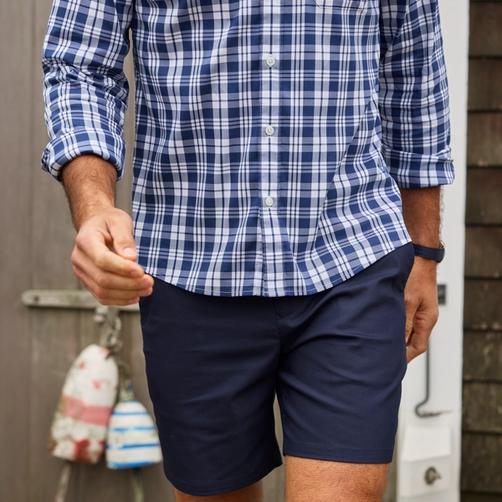
A button-up dress shirt is a collared, woven garment with a full-length placket that fastens completely down the front. It features long sleeves with cuffs and a more structured silhouette.
Button-down shirts are the default for professional events and formal occasions. Knowing exactly ensures you look your best when you pair one with a blazer and tie, so you're ready for anything the workweek throws at you.
Polos vs. button-up dress shirts: fit and fabric differences
The differences come down to construction, comfort, and maintenance.
Polo shirts features
- Fabric: Knit (pique, jersey)
- Collar: Soft, flexible
- Placket: Partial (2-3 buttons)
- Formality: Smart-casual
Button-up dress shirt features
- Fabric: Woven (poplin, oxford)
- Collar: Structured, sometimes buttoned
- Placket: Full-length
- Formality: Business to formal
Comfort and movement
Knit construction gives polos an advantage for active days, making them a strong contender for the . Dress shirts feel more tailored, though performance versions with stretch fabric narrow that gap.
Understanding how a polo shirt should fit matters more than which style you choose.
Wrinkle resistance
Polo shirts resist wrinkles naturally. Most wrinkle-free polos go straight from the dryer to your closet.
Traditional dress shirts demand ironing, though performance fabrics have largely solved this problem.
When to style a dress shirt vs. a polo
Choosing between these two comes down to setting, dress code, and how your schedule unfolds.
Casual and everyday wear
The polo wins for weekends, errands, and relaxed dinners. Pair with jeans or chinos for an effortless look.
An Oxford works casually too, worn untucked with rolled sleeves. For more ideas, check out .
Office or business casual
Both work here, but context matters when navigating modern . Wear a polo in relaxed offices.
Button-downs make more sense for client meetings and presentations.
Formal or dressy occasions
Dress shirts are your only option for galas, formal events, and . Pair with a suit and tie.
Polo shirts don't register on that formality scale.
Travel and comfort
Polo shirts are lightweight, packable, and wrinkle-resistant, making them essential . Performance button-downs work too, especially if you know to minimize creasing.
Polos are easier to maintain on the road.
How to choose between a polo and a dress shirt
When your day demands versatility, reach for a polo. When you need structure and formality, a woven button-up delivers.
Performance fabrics in both categories make the choice less binary than it used to be, especially when you understand for all-day comfort.
Match the Shirt to the Moment
Both styles deserve space in a well-rounded wardrobe. Start with versatile colors: navy, white, and grey polos alongside white, light blue, and subtly patterned dress shirts. Start by building your wardrobe (try our guide to the ).
This foundation covers nearly every occasion. Mizzen+Main re-engineers both with performance fabrics, so you get classic looks that actually work with your life.
The Mizzen+Main Style Desk is our editorial voice on classic menswear. Content is developed with and reviewed by Will Jenkins, Brand Manager, who works directly on Mizzen+Main's brand strategy, positioning, and tone of voice.